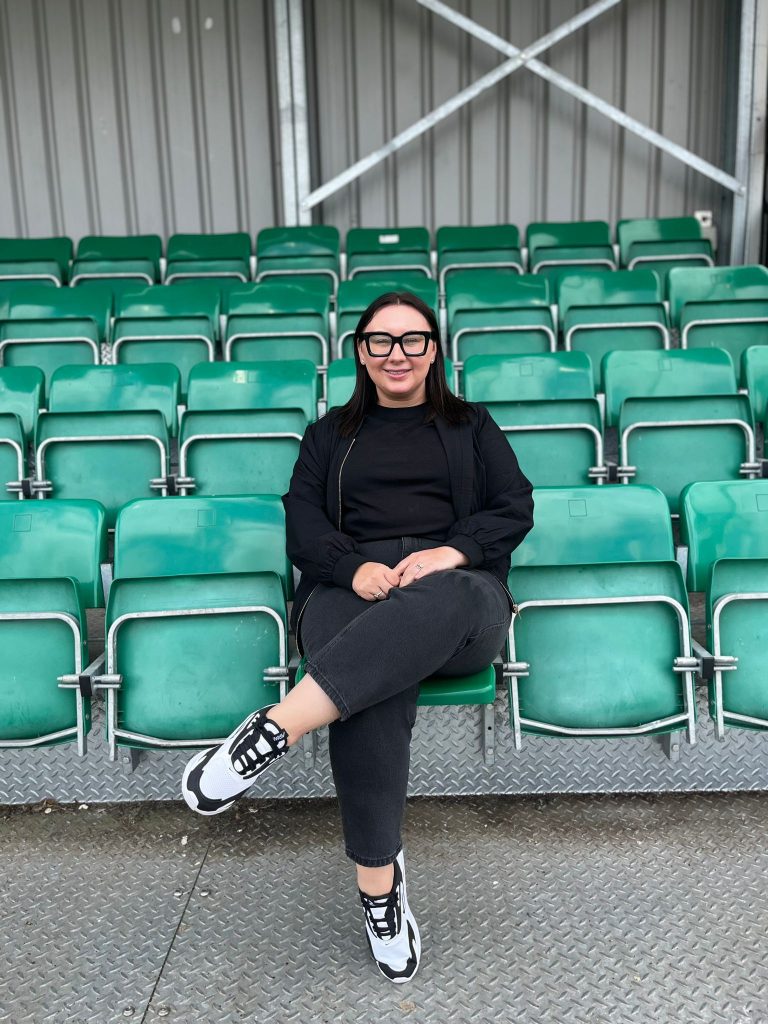

Last week I caught up with Lee Mair on how every successful player has a mindset that determines how far they go. Lee, a former top flight professional footballer who played at the highest level of Scottish football with Dundee, Aberdeen, Partick Thistle, Dumbarton, Stranraer, south of the border to Stockport County, and St Mirren where he won the Scottish League Cup!
Now a husband, father of two, and the owner of Mair Finance, Lee has transitioned from life on the pitch to running a successful business, helping other businesses navigate the world of finance. But like many footballers, the journey from professional sport to the “real world” wasn’t something he was fully prepared for.
In the Q&A we had a chat about the role of mindset in sport, the mental challenges footballers face, and what players (especially young athletes) should be thinking about beyond the game. From handling pressure and setbacks to the harsh realities of football’s short career span, Lee shares insights that every athlete (and those who support them) should probably hear.
1. During your career as a professional footballer, how important was mindset in your performance on the pitch?
At the time, I didn’t realise how important it was. It wasn’t until the last few years of my career, when I was introduced to a Sports Psychologist, that I really understood the role mindset plays in sport. Looking back (unfortunately!), I can see how crucial it was.
2. What strategies did you use to stay focused and motivated during high pressure games?
In the early days, I didn’t have any. It wasn’t something we were taught. You just had to deal with it. There was no structured support for handling pressure or setbacks, which is something I now see as a huge gap in the game that players who want to go on and be the best need to adopt themselves.
3. How did you deal with setbacks, such as losses, injuries, or difficult periods in your career?
It was tough. After a defeat, I was a nightmare to be around at home. When my kids came along, I started to realise there was more to life, but football still consumed me. The dressing room camaraderie helped, but at the same time, it was a competitive place, everyone was fighting for a spot in the team. At times you felt isolated.
Physios were there for physical injuries, but they weren’t trained to support the mental side of recovery. Players struggle with both. Just this week, an Aberdeen player asked to come off the pitch because he was responsible for conceding two goals, and the Motherwell manager resigned because of off-field abuse. That’s the pressure players and management are under.
4. Did you have any routines or habits that helped you maintain mental resilience and peak performance?
No, not really. If I trained well that week, I felt confident, but the opposite was also true. If I’d had more support with my mindset, I could’ve handled the ups and downs better. I wish I’d had help with that.
5. How crucial is teamwork to success, and how do you keep a strong mentality when things aren’t going well for the team?
Some players take it harder than others, but the leaders in the dressing room are the ones who step up during tough times. From my playing career the players who spoke up, who kept standards high, are now managers or have gone on to have good careers elsewhere, whether they stayed in the sport or moved into something else. That says everything.
6. Football careers are relatively short. How did you prepare yourself mentally for life after football?
I didn’t, like most footballers. I didn’t even think about it until my mid 30s. It’s something I’m very passionate about and could talk about all day. The one piece of advice I give to players now is to set themselves up while they’re still playing.
The stats are shocking, over 60% of footballers experience depression, bankruptcy, or divorce after retiring. It’s a massive change that most aren’t prepared for.
7. How has the discipline and mindset you developed in football helped you in your business career?
I’m disciplined, driven, and a team player – all great assets for business. The hardest part was not knowing what to do after football. It felt like no man’s land, just testing the waters to see what I liked or what I was good at, and where those things meet.
In football, you learn from teammates, pick up skills that are transferable. The difference now is that I learn from business owners, read books, watch podcasts, and adapt what works for me in much the same way.
8. Do you think there’s enough support available for athletes when they transition into “real life” after retirement?
No, not at all. Like I say I’m very passionate about it and I actually looked into setting up a business to help athletes with this because so many struggle.
So many kids dream of becoming a professional footballer, but less than 2% of those in club academies make it at all. Less than 1% of players make enough money to retire financially secure at 35. You need to know those odds before you push your kids into it.
Clubs should be doing more. How good would it be if they could say, “Even if you don’t make it as a pro, we’ve set you up with qualifications or skills for another career”?
I figured things out eventually, and to the point my business allows me to sponsor matches for the clubs I actually played for! But a lot of players don’t have a nice full-circle story like that.
9. You had quite a long, successful senior career (1999 until 2016). What role did recovery (both physical and mental) play in your performance and longevity?
I wish I’d known more about it. If I had, I’d have played even longer! I didn’t reach my full potential and I definitely could’ve played at a higher level, which is the same for a lot of players. Some players are still playing at 40+, but I retired at 36. That was entirely down to me and I take full responsibility for that – but if I’d had better knowledge and support, my career would’ve lasted longer.
10. How important do you think mental training is for young athletes who aspire to go professional?
Massive. I understand that now, but only after the fact.
Young players today struggle even more with criticism and failure because of social media. Instead of using it as motivation, they take it to heart. They need to learn how to flip it, to turn setbacks into drive and determination.
Football is built on three pillars: Physical ability, Technical Skill, and Mindset. We always work on the first two, but the third one? We’re miles behind. When I was playing, we had a Sports Psychologist in one the teams I played for that we called “Psycho Steve”. There was a stigma around going to him, even though you always felt better after a session. That tells you everything you need to know about how mindset was treated.
11. As a parent of teens now, what advice would you give to parents of young athletes to help them nurture their child’s mindset and resilience?
It’s both a fine and a tough balance. You don’t want to be a pushy parent, but at the same time you need to help them develop the right mindset and resilience.
Coaches hate parents who live through their kids instead of supporting them properly. The best thing you can do is make sure they enjoy the game. If they love playing, they’ll keep going, and that’s when they improve.
When they’re struggling, pick them up – but don’t mollycoddle them. Each setback is a chance to teach them something. If they learn how to deal with challenges now, they’ll be better players (and better people) for it.
12. If you could go back and give your younger self one piece of advice about mindset or preparation, what would it be?
I’d tell myself to learn from my mistakes and bounce back quicker.
My last involvement in football was taking penalties for Stranraer against Ayr United in a playoff. Two senior players made excuses not to take one. That’s all down to mindset. A mindfulness coach would’ve prepared them to face the moment instead of avoiding it. That’s the kind of mental training that should be part of football, but it wasn’t back then.
Thanks so much to Lee for taking the time to talk with me! Be sure to connect with him on LinkedIn: Lee Mair