
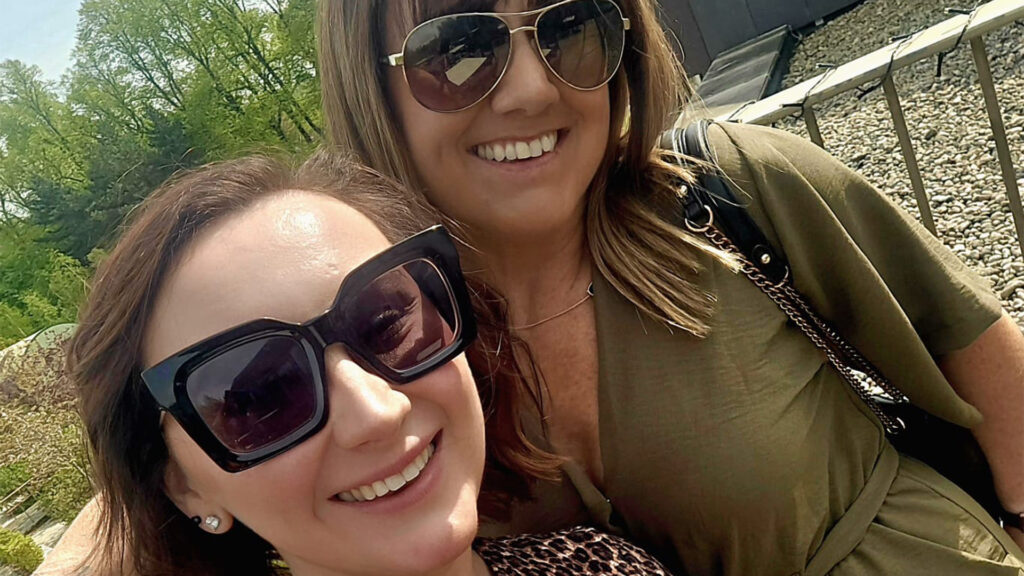
This week I sat down with Lorna McBreen, a powerhouse in safety leadership whose career spans more than two decades across EHS consultancy, executive coaching and emotional intelligence.
From boots on the ground safety roles to launching her own business and being named Scotland’s Female Founder of the Year, Lorna’s journey is one of resilience, purpose and real impact. But behind the achievements is a story that started in the shadow of personal loss and grew into a mission to change how safety, leadership and culture intersect.
In this Q&A, we explored the mindset shifts that shaped her career, how emotional intelligence fits into safety leadership and why the best leaders are those who lead with empathy, not just instruction. Whether you’re in safety, business or sport, this is one you’ll want to read.
1. You’ve built a 20+ year career from hands on safety roles into starting your own business and winning Scotland Female Founder of the Year. How has your mindset evolved over that journey?
I want to start by saying my journey into safety began just a few months after the loss of our brother Jason to suicide, so let’s just say my mindset wasn’t in the best place back then. But as I dived into a new career, met new people, and learned along the way, I shifted from simply ‘getting by’ to being more ‘focused’ on making a difference. At the start, it was all about compliance and checking the boxes – boots on the ground and keeping things safe.
Over time, I realised safety is much more than regulations and rules; it’s about creating a culture where safety is embedded in everything we do. Along the way, there were plenty of ‘aha’ moments, but one that stands out is when I connected coaching, emotional intelligence, and safety leadership. Embracing emotional intelligence really helped me understand the people side of safety – it’s about inspiring a proactive mindset, not just ticking off compliance lists.
2. Your work involves EHS consultancy, Executive coaching and Emotional Intelligence development. How do these connect in your approach to creating safe, high performing workplaces?
My approach to creating safe, high-performing workplaces is deeply rooted in the belief that safety isn’t just about compliance – it’s about people. EHS consultancy lays the foundation by designing systems that not only keep people safe but also create environments where they can thrive. Executive coaching and emotional intelligence development are the keys to making those systems work effectively.
Coaching helps leaders develop the skills to lead with purpose, connect authentically with their teams, and foster a safety-first culture. Emotional intelligence training ensures that leaders are in tune with their own emotions and the emotions of their teams, which is crucial for building trust, managing stress, and driving positive behaviours.
Together, these disciplines ensure that safety is not just a set of rules to follow but a mindset that permeates every aspect of the workplace, ultimately leading to high performance and a culture of well-being.
3. In safety critical environments, pressure and risk are constant as well as everything involved in running a business. What mental toughness strategies do you rely on when under pressure?
Honestly, I don’t tend to feel pressure myself, but I know that the organisations I support, and their employees often do, especially in safety-critical environments. My role is to help relieve that pressure by developing and implementing systems that manage risks and keep people safe. It’s about creating frameworks that not only ensure compliance but also make day-to-day operations smoother and less stressful for everyone.
Where my coaching comes in is key – I don’t just build systems, I coach teams. I help them understand the ‘why’ behind the processes and empower them to make decisions that reduce risk and improve performance. Mental toughness, for me, is about equipping leaders with the emotional resilience and skills to manage stress, navigate difficult situations, and keep their teams motivated and focused on safety, even when the pressure’s on.
4. As we all know running your own business will somewhere along the road present set back! How do you cultivate resilience during setbacks and what do you find helps you bounce back? What patterns do you see in the people who bounce back best?
I firmly believe in the power of positive thinking. I make sure both my mind and body stay fit and healthy – regular exercise and a solid routine keep me grounded and focused. Having structure in my day is key to maintaining resilience, especially when things don’t go as planned.
Earlier this year, I faced a significant setback when two of my biggest clients went into administration within weeks of each other. For many, that might have been the breaking point, but instead of dwelling on the situation, I chose not to waste energy on what was out of my control. Instead, I focused on what I could control and allowed the space to open up for new opportunities to come into my life and business.
One thing I’ve learned is the importance of surrounding yourself with positive, supportive people. No one needs a ‘Negative Nancy’ when the chips are down. I’m fortunate to have one of the best support networks a girl could ask for, and they play a huge role in helping me bounce back.
The people I see bounce back best share common traits – they have a strong mindset, they actively look for the positives in challenging situations, and they don’t let setbacks define them. They understand that resilience isn’t about avoiding failure, but about how quickly you can pick yourself up and adapt to change.
5. Emotional intelligence is a major part of your offering. How do EQ and safety leadership work together?
Emotional Intelligence is critical to effective safety leadership because it allows leaders to connect with their teams on a deeper level, understand their emotional triggers, and respond to situations with empathy and calm. Safety isn’t just about rules and compliance; it’s about creating an environment where people feel safe, valued, and supported.
Leaders who have high EQ can foster open communication, build trust, and inspire a culture where safety is seen as a shared responsibility. They are better equipped to manage stress in high-pressure situations, lead with empathy, and motivate teams to take proactive safety measures. For example, an emotionally intelligent leader can identify when team members are feeling overwhelmed or disengaged, which can lead to mistakes, and address the situation before it escalates.
When EQ is incorporated into safety leadership, it leads to improved decision-making, better relationships with teams, and a stronger safety culture overall. It’s about recognising that the mental and emotional well-being of a team is just as important as the physical safety measures in place.
6. In your experience, what common emotional or mindset blocks hold leaders back from embedding strong safety cultures?
One of the most common emotional blocks I see in leaders is the fear of making the wrong decision, particularly when it comes to safety. This fear can cause hesitation and a reluctance to take action, which ultimately undermines a proactive safety culture. Leaders may worry about the consequences of a mistake, which can prevent them from trusting their instincts or making decisions quickly enough to address potential risks.
Another common mindset block is being too process-focused and not understanding the people side of safety. Leaders who are overly focused on rules and procedures might miss the emotional and psychological factors that influence behaviour. They may fail to connect with their teams on an emotional level or understand the human factors that contribute to unsafe behaviours, such as stress, burnout, or lack of motivation. Without this understanding, it’s difficult to create an environment where safety becomes a shared value, rather than just a set of rules to follow.
7. At Precision Pathways, we work with athletes and businesspeople around pressure, performance and habits. Do you see parallels in performance coaching for safety specialists or execs?
Absolutely, there are strong parallels between performance coaching for athletes and coaching for safety specialists or executives. In both cases, success is about managing pressure, making quick decisions, and forming habits that support long-term goals. Athletes train their bodies and minds to perform at their best under pressure, and the same principle applies to safety leaders who need to be sharp, resilient, and proactive in high-stakes environments.
In safety leadership, much like in sports, it’s crucial to develop the right mindset and build habits that support consistent performance. This includes stress management, the ability to focus under pressure, and maintaining a positive, solution-focused attitude even in challenging situations. Performance coaching in safety helps leaders manage their own emotions, lead by example, and foster a culture where safety is seen as a continuous journey, not just a set of rules to follow.
8. What’s one small daily habit or thinking shift someone working in high risk or regulated environments can start today to improve their mental wellbeing and performance?
One simple habit to start today is taking a few minutes at the beginning to focus on what you can control. In high-risk environments, it’s easy to feel overwhelmed by everything that needs to be done. By setting clear, manageable priorities each day, you can reduce stress and stay focused on key tasks. This shift helps improve mental wellbeing by giving you a sense of control and direction, and it improves performance because it allows you to approach challenges with clarity, rather than reacting to everything that comes your way.
9. Finally, any parting advice for professionals (and their teams) who want to ‘perform with purpose’ (not just achieve compliance, but genuinely care about people and culture)?
My parting advice would be: lead with empathy and genuinely invest in your team’s wellbeing. In high-risk environments, it’s easy to focus solely on compliance and procedures, but true safety and performance come when leaders and teams genuinely care about each other. This means fostering a culture where safety is a shared responsibility, where everyone feels valued, and where emotional intelligence is just as important as technical expertise. When people know their leaders care about them as individuals, they’re more likely to perform with purpose – not just to tick boxes, but because they truly want to contribute to a safe, supportive, and high-performing environment.
A huge thank you to Lorna for sharing so openly and generously. Her insights are the kind that linger long after the conversation ends. If you work in safety, lead a team or simply want to create a culture where people feel seen, safe and supported, Lorna is someone you’ll want to connect with. You can do that here Lorna McBreen